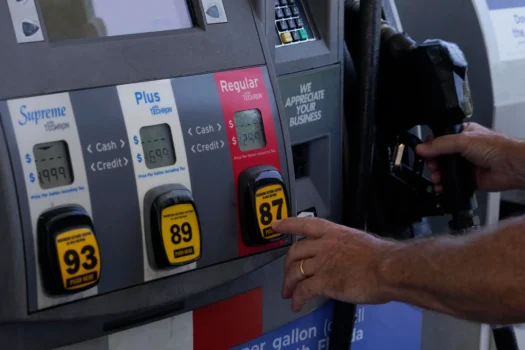
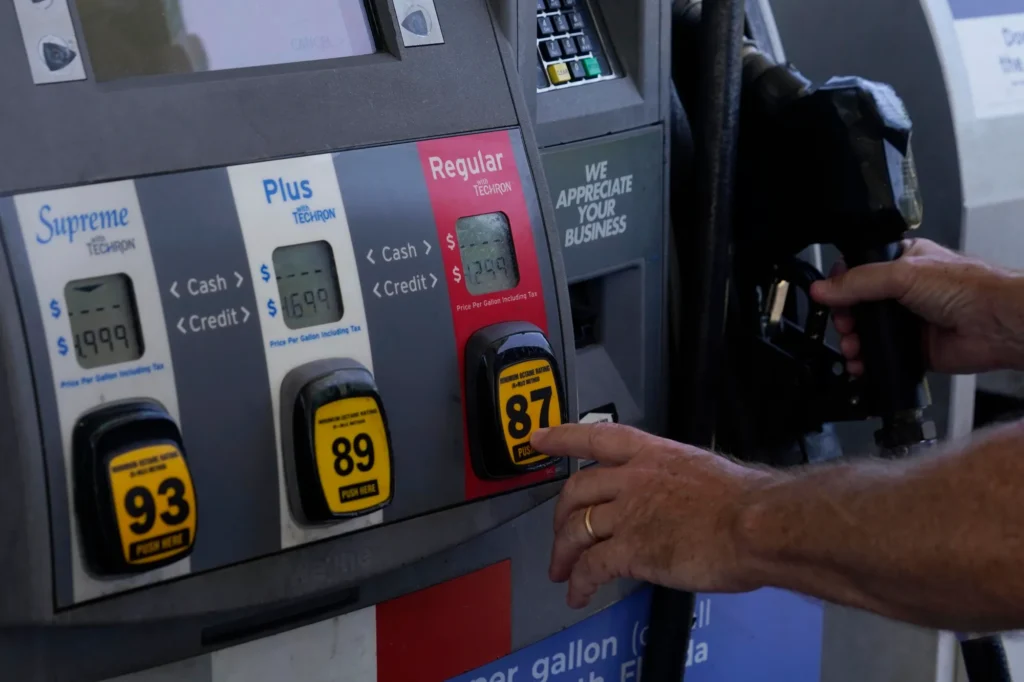
If filling up your tank has felt painfully expensive lately, you’re not alone. The national average for a gallon of regular gasoline hit $3.91 as of March 20, according to AAA, capping off a relentless three-week climb that has added roughly a dollar per gallon since mid-February.
What’s Driving the Spike?
The primary culprit is the ongoing conflict in Iran. Since the U.S.-Israeli military operation began on February 28, disruptions to the Strait of Hormuz — the narrow waterway through which roughly 20% of the world’s oil and liquefied natural gas flows — have sent crude oil prices surging past $100 per barrel on multiple occasions, according to CBS News. Attacks on Iran’s South Pars gas field have only intensified global supply fears, pushing prices higher still, as The New York Times reported this week.
The Numbers Tell the Story
The rise has been swift and broad. The New York Times notes this is the second-largest four-week gas price increase in at least three decades, surpassed only by the aftermath of Hurricane Katrina in 2005. Gas now exceeds $3 per gallon in all 50 states for the first time since 2023, per Business Insider. California leads the pack at $5.36 per gallon, while Kansas remains the cheapest state at around $3.15, according to AAA.
Diesel has been hit even harder, topping $5 per gallon — its highest level since late 2022, CNBC reported.
Will Relief Come Soon?
The White House has taken steps to ease the pressure, announcing the release of 172 million barrels from the Strategic Petroleum Reserve as part of a coordinated international effort totaling 400 million barrels — the largest emergency release in the International Energy Agency’s history.
Energy Secretary Chris Wright told NBC that gas prices could dip below $3 by summer, but the Energy Information Administration tells a different story. Its latest forecast projects an average of $3.34 per gallon for 2026, and doesn’t see prices falling below $3 at any point through the end of 2027, Fortune reported.
What It Means for Your Wallet
For the average American driver, the current spike translates to roughly $50 more per month in fuel costs. And as The New York Times points out, the burden falls hardest on lower-income households, who spend a larger share of their income at the pump.
Spring break travel season is adding fuel — literally — to demand, and with the geopolitical situation still unresolved, drivers should brace for elevated prices in the weeks ahead.