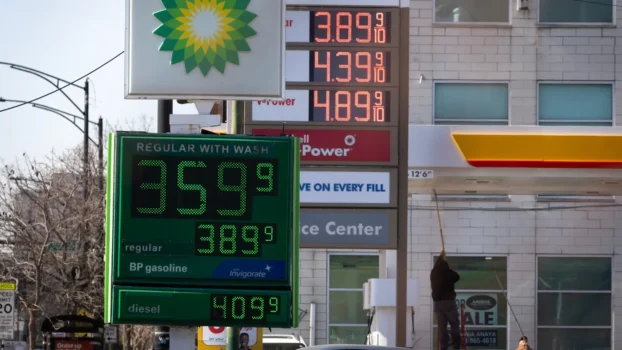
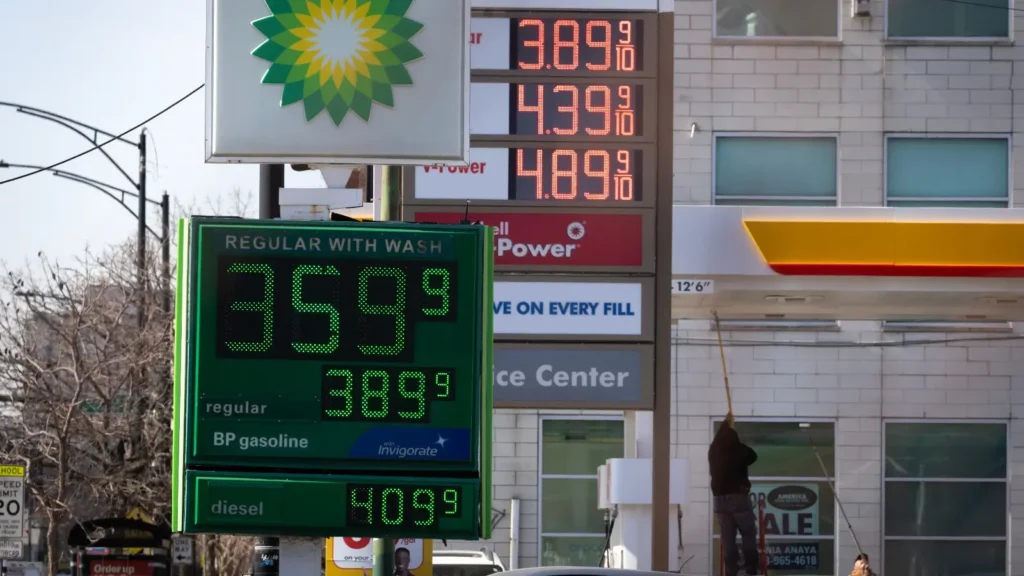
Drivers across the United States are feeling the pain at the pump this week as gas prices continue to climb sharply. Whether you’re commuting to work, planning a road trip, or simply running errands, the rising cost of fuel is becoming a major concern for households and businesses alike.
Here’s a breakdown of why gas prices are rising, how much they’ve increased, and what it could mean for the weeks ahead.
Gas Prices Are Rising Fast
The national average price for regular gasoline has jumped significantly in just the past month. According to AAA data, the average price climbed from about $2.98 per gallon in late February to around $3.98 per gallon in late March, representing roughly a $1 increase in just one month.
Some analysts say the national average is already approaching $4 per gallon, and prices could climb even higher if current trends continue.
In some states, drivers are paying even more. Certain regions have already seen record-high prices, with diesel fuel exceeding $7 per gallon in California and more than $6.50 in Washington state.
The Global Conflict Driving Prices Higher
One of the biggest factors behind the spike in gas prices is rising global oil prices tied to geopolitical tensions.
The ongoing conflict involving Iran and the United States has created instability in global oil markets. Oil shipments passing through the Strait of Hormuz — a crucial route for global oil supply — have been disrupted, causing oil prices to surge.
When oil prices rise, gasoline prices typically follow. Crude oil is the primary ingredient used to produce gasoline, so disruptions in supply often lead to higher prices at the pump.
Oil Prices Have Spiked Dramatically
The conflict has pushed global oil prices significantly higher. During the crisis, oil prices surpassed $100 per barrel, the highest level seen in several years.
This spike in crude oil prices has quickly translated into higher gasoline prices across the United States and other parts of the world.
Analysts warn that gas prices may continue rising as the conflict affects energy markets and supply chains.
Seasonal Demand Is Also Increasing
Another reason gas prices are rising is seasonal demand.
Every year, fuel prices tend to increase during the spring and summer months as:
- Warmer weather brings more travel
- Spring break and vacations increase road traffic
- Refineries switch to more expensive summer gasoline blends
Gasoline demand typically increases during this period as more drivers hit the road.
This seasonal increase combined with global oil market disruptions is creating the perfect storm for rising fuel costs.
The Economic Impact
Higher gas prices don’t just affect drivers — they ripple through the entire economy.
When fuel costs rise:
- Shipping and transportation costs increase
- Food prices often go up due to delivery expenses
- Airline tickets become more expensive
- Businesses raise prices to offset higher operating costs
Economists warn that the surge in energy costs could contribute to inflation and reduce consumer spending power.
Government Leaders Are Considering Solutions
In response to the rising costs, some lawmakers are proposing a temporary suspension of the federal gas tax, which currently adds 18.4 cents per gallon to gasoline prices.
The idea is that temporarily removing the tax could provide relief to drivers and businesses struggling with rising fuel costs.
However, any such measure would require approval from Congress.
What Drivers Can Expect Next
Experts say gas prices could remain volatile in the coming weeks depending on several factors:
- Developments in the Middle East conflict
- Oil production levels worldwide
- Summer travel demand
- Decisions by governments and oil-producing nations
If tensions ease and oil supplies stabilize, prices could level off. But if the conflict continues or supply disruptions worsen, gas prices could climb even higher heading into summer.
Final Thoughts
This week’s surge in gas prices highlights how global events can quickly impact everyday life. From international conflicts to seasonal travel demand, multiple factors are combining to drive up costs at the pump.
For now, drivers may need to prepare for higher fuel prices in the near future, especially as summer travel season approaches.